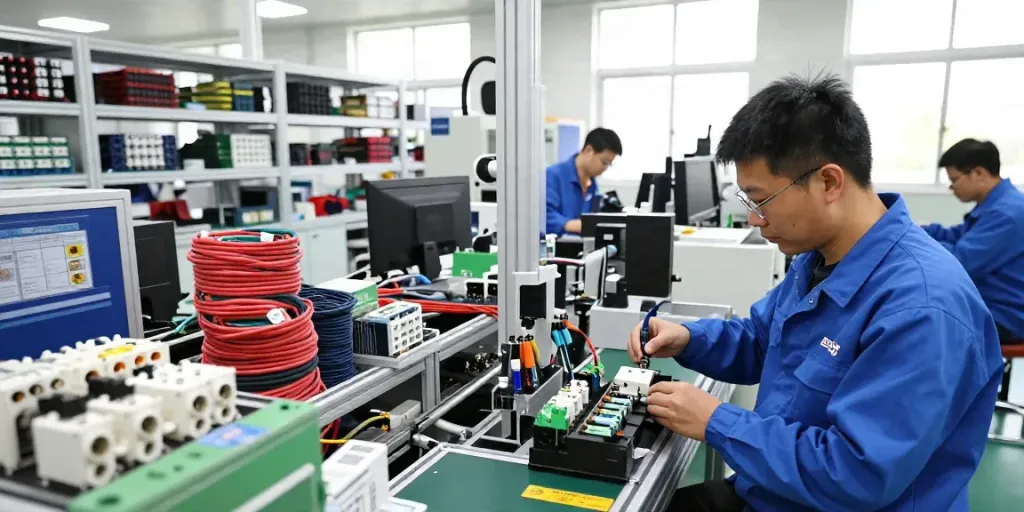
Understanding the Role of Electronic Components Suppliers
In today's fast-paced technological landscape, the role of Electronic components supplier has become crucial for businesses across various industries. These suppliers provide the foundational elements that enable the functionality of electronic devices, from connectors and switches to complex wiring systems. Their responsibility extends beyond mere provision; they ensure that components are compliant with international standards and meet the specific needs of their clients. Understanding what constitutes a reliable supplier is key for manufacturers aiming to innovate and streamline production processes.
What is an Electronic Components Supplier?
An electronic components supplier is an organization that provides various components and materials necessary for the design, production, and maintenance of electronic systems. This includes a wide range of products such as resistors, capacitors, diodes, ICs (integrated circuits), and connectors. Suppliers cater to several markets, including consumer electronics, automotive, telecommunications, and industrial automation. Moreover, they often offer value-added services such as technical support, logistics, and custom engineering solutions to meet the unique requirements of different industries.
Importance of Quality Assurance in Supply
Quality assurance is paramount for electronic components suppliers, as it directly impacts the reliability and safety of finished products. Compliance with international standards such as ISO, UL, and RoHS ensures that components meet safety and performance criteria, reducing the risk of failures in end products. Suppliers with robust quality assurance processes often conduct rigorous testing and certification of their products, enabling manufacturers to trust the components they incorporate into their systems. This is especially critical in sectors like medical devices and automotive applications, where safety is non-negotiable.
Key Products Offered by Electronic Components Suppliers
- Connectors: These components establish electrical connections between devices and systems, facilitating the flow of power and data.
- Switches: Used to control the flow of electricity in circuits, switches are essential for turning devices on and off.
- Power Cords: Power cords connect appliances to power sources, ensuring safe and efficient energy transfer.
- Relay Sockets: Relay sockets house electromechanical relays, which are crucial for automating equipment control.
- Wire Harnesses: These assemblies organize multiple wires and connectors into a single, structured system that enhances installation efficiency.
Challenges Faced by Electronic Components Suppliers
Despite their critical role, electronic components suppliers face numerous challenges that can affect their operations and customer satisfaction. Understanding these hurdles is essential for navigating the complex landscape of electronic manufacturing.
Meeting International Certification Standards
One significant challenge is ensuring compliance with various international certification standards. Different countries have specific regulations regarding safety and environmental impact, requiring suppliers to adapt their products accordingly. This often necessitates additional testing and certification procedures, which can lead to increased costs and longer time-to-market for new products.
Supply Chain Management and Distribution Hurdles
Supply chain management is another area where challenges arise. The electronic components industry is heavily reliant on a global supply chain, which can be affected by geopolitical factors, natural disasters, and fluctuating demand. Suppliers must develop robust logistics strategies to maintain consistent inventory levels and ensure timely delivery to their customers. Efficient supply chain management is crucial for reducing lead times and maintaining competitive pricing.
Addressing Industry-Specific Customer Needs
Every industry has its specific requirements, and suppliers often need to tailor their offerings to meet these demands. Whether it's the automotive sector's need for high-temperature resistant components or the medical industry's demand for biocompatible materials, understanding customer needs is essential for suppliers to remain relevant. This requires continuous engagement with customers and a willingness to innovate and adapt products accordingly.
Best Practices for Selecting an Electronic Components Supplier
When it comes to choosing the right electronic components supplier, businesses must consider several factors to ensure a successful partnership. Here are some best practices to guide the selection process.
Evaluating Product Quality and Compliance
First and foremost, businesses should evaluate the quality and compliance of the supplier's products. This can be achieved by reviewing certifications, conducting product tests, and seeking feedback from other customers. A reputable supplier should have a transparent quality assurance process and documentation that validates their compliance with relevant standards.
Assessing Custom Engineering and ODM Capabilities
For businesses requiring specialized components, it's vital to assess a supplier's custom engineering and Original Design Manufacturing (ODM) capabilities. Suppliers that offer tailored solutions can help companies innovate and develop unique products, which is increasingly important in a competitive market.
Understanding Competitive Pricing and Delivery Options
Lastly, understanding the supplier's pricing structure and delivery options is crucial. Suppliers should be able to provide flexible pricing models that accommodate different order sizes and offer reliable delivery timelines. This flexibility is particularly important for businesses that operate in dynamic sectors with fluctuating demands.
Future Trends in the Electronic Components Industry
The electronic components industry is continuously evolving, shaped by technological advancements and changing market demands. Staying informed about these trends is essential for suppliers and manufacturers alike.
Impact of Technology Advancements on Manufacturing
Advancements in technology, particularly in automation and artificial intelligence, are transforming manufacturing processes. Suppliers are increasingly adopting smart manufacturing technologies to enhance efficiency, reduce waste, and improve product quality. This shift not only streamlines operations but also enables suppliers to respond more rapidly to market changes.
Emerging Customer Demands in 2026
As we look towards 2026, customer demands will likely shift towards more sustainable and energy-efficient products. Eco-consciousness is on the rise, prompting suppliers to innovate and offer products that minimize environmental impact. This could involve developing components from sustainable materials or implementing green manufacturing practices that reduce waste and emissions.
Sustainability Practices among Suppliers
Sustainability is becoming a key differentiator in the competitive landscape of electronic components suppliers. Companies that adopt sustainable practices not only appeal to environmentally conscious customers but also comply with increasingly stringent regulations. Suppliers are investing in cleaner production techniques, recycling programs, and transparent supply chains to enhance their sustainability profile.
Real-World Case Studies of Successful Electronic Components Suppliers
Examining successful suppliers can provide valuable insights into best practices and innovative strategies within the industry. Here are notable examples that highlight effective approaches in the electronic components sector.
Innovative Solutions in Power Connectors
Companies like LANZ Electronics have excelled in providing innovative solutions for power connectors, demonstrating how advanced manufacturing technologies can enhance product reliability and performance. By focusing on quality control and compliance with international standards, they have established a reputation for excellence in diverse applications.
Leveraging Global Supply Chains Effectively
Successful suppliers understand the importance of leveraging global supply chains to optimize operations. By strategically partnering with manufacturers and distributors worldwide, they can reduce lead times and maintain competitive pricing. This approach allows them to respond promptly to customer demands, which is crucial for maintaining market share.
Case Study: LANZ Electronics' Market Strategy
LANZ Electronics has effectively positioned itself in the global market by focusing on quality, customization, and customer support. Their strategy includes a dedicated account management system that ensures personalized service for clients, aiding in the development of tailored solutions that meet specific industry needs.
How LANZ Electronics Became a Leading Electronic Components Supplier?
LANZ Electronics' ascent as a leading supplier can be attributed to its commitment to manufacturing excellence and continuous innovation. With over 1,000 product specifications and certifications from regulatory bodies, they have built a portfolio that underscores reliability and safety.
What Industries Rely on Electronic Component Suppliers?
Various industries rely on electronic component suppliers, including:
- Commercial & Consumer Electronics: Power connectors and switches facilitate everyday electronics.
- Off-Highway & Heavy Equipment: Durable components are needed for robust machinery.
- Electric Vehicles (EV) & Charging Infrastructure: Innovative solutions are critical for sustainability.
- Medical & Laboratory Equipment: Precision components ensure accuracy and safety.
- Data Centers & IT Infrastructure: Reliability is paramount for efficient operations.
- Telecommunications & Networking: Components must meet high performance and regulatory standards.
- Automation Systems: Advanced components are vital for modern industrial automation.