Understanding Facial Analysis Services
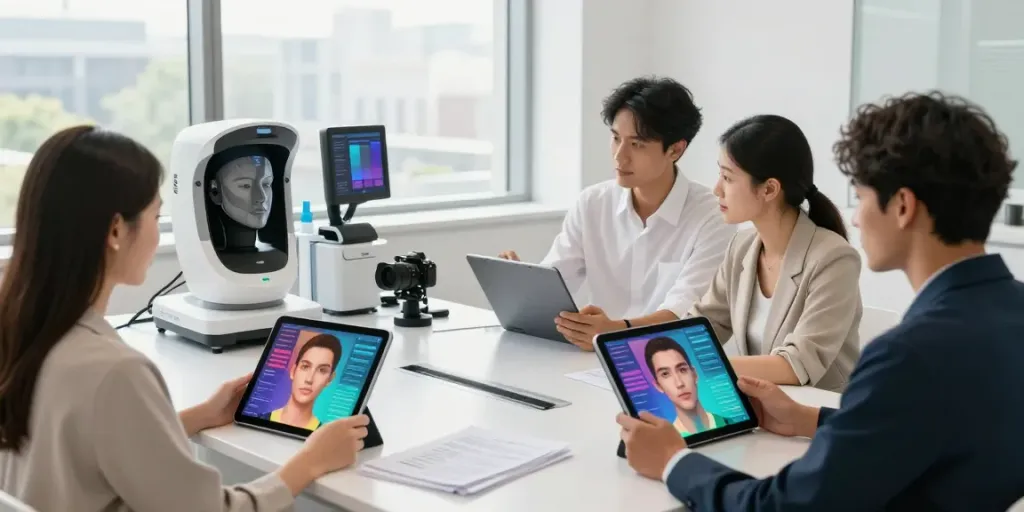
The rise of facial analysis services has revolutionized how individuals assess their appearance and consider potential enhancements. These services leverage advanced technology, including artificial intelligence (AI), to offer insights into facial aesthetics. Among these services, QOVES has gained popularity for its comprehensive approach, providing users with a yearly membership that includes detailed analyses and visual presentations of their facial features. However, as the marketplace evolves, numerous alternatives to QOVES have emerged, each with unique offerings. This article explores various options available today, helping you make informed decisions about which service aligns best with your beauty goals. When exploring options, Alternatives to QOVES provide comprehensive insights that cater to different user preferences.
What Are Alternatives to QOVES?
Alternatives to QOVES consist of several services that focus on facial analysis, offering users a range of functionalities—from basic attractiveness ratings to comprehensive aesthetic assessments. Each of these alternatives varies significantly in pricing, the depth of analysis, and whether they incorporate human review into their evaluations. Key players in this space include ClinicEvo, Umax, LooksMax AI, PrettyScale, and FaceRate.ai. Understanding the distinct advantages and disadvantages of each option becomes crucial for users seeking tailored feedback on their appearance.
How Do Various Services Compare?
When comparing alternatives to QOVES, it's important to consider factors such as the type of analysis provided, user experience, and price structure:
- ClinicEvo: For just $12 a month, ClinicEvo pairs AI-driven facial analysis with the oversight of trained aesthetics specialists. Users receive a personalized report within five business days, enhancing the accuracy and relevancy of feedback.
- Umax: This app offers instant beauty scores based on AI algorithms. While user-friendly, it lacks the depth of analysis that comes from human review, which may limit the quality of personalized feedback.
- LooksMax AI: Similar to Umax, LooksMax AI provides instantaneous evaluations but without detailed recommendations. It appeals to those who prefer quick assessments without the added cost of extended memberships.
- PrettyScale: A free option, PrettyScale generates a beauty score based on automated calculations. While it’s cost-effective, users miss out on comprehensive plans or ongoing assessments.
- FaceRate.ai: This platform offers a face rating out of 10, using symmetry and the golden ratio. It's free to try, but, like PrettyScale, it does not provide personalized follow-up or in-depth analysis.
Key Features to Look For
When evaluating facial analysis services, certain features are essential for making an informed choice:
Human Review vs Automated Analysis
One of the most significant distinctions among these services is whether a trained professional reviews the results. Services like ClinicEvo emphasize human oversight, ensuring that the analysis not only reflects AI-generated data but also includes the nuances that only a beauty specialist can provide. In contrast, options like Umax and PrettyScale rely solely on algorithmic assessments, which may lack personalized context and depth.
Personalization of Services
Another critical aspect is the level of personalization. Users often prefer services that offer tailored protocols based on their specific features. ClinicEvo leads in this area, delivering personalized EvoPlans™ that consider individual attributes. Options like FaceRate.ai may provide a score but fail to translate that into actionable steps for improvement.
Tracking Progress Over Time
Ongoing assessments are vital for anyone looking to enhance their appearance. Services should ideally provide the ability to track progress over time, offering users insight into how their features evolve. Evaluation of whether a service offers this capability can be a deciding factor when selecting an alternative to QOVES.
Evaluating Costs and Membership Options
Price is often a decisive factor when choosing a facial analysis service. Understanding various pricing models can help users avoid unexpected costs and better align their financial commitments with their beauty goals.
Monthly versus Annual Pricing Structures
Pricing structures vary widely among alternatives to QOVES. ClinicEvo's monthly fee is $12, totaling approximately $144 per year. Meanwhile, QOVES offers an annual membership at $150. For some users, the difference is negligible, but for others, monthly memberships allow for greater flexibility.
Hidden Fees and Additional Costs
It's crucial to look beyond the headline price. Services like Umax might seem economical with a weekly subscription of $3.99, but this can total approximately $207 annually if maintained for a full year. Carefully scrutinizing the pricing details will help avoid hidden fees that could disrupt your decision.
Comparing Free Services with Paid Alternatives
Free services like PrettyScale and FaceRate.ai can be appealing for those hesitant to invest. However, the lack of comprehensive feedback and ongoing support could ultimately lead to less beneficial results compared to paid options like ClinicEvo, which offers extensive insights and analyses.
Common Questions About Facial Analysis
As the popularity of facial analysis services grows, users often have a number of questions regarding functionality, efficacy, and comparisons between different platforms.
Is There a Free Version of Facial Analysis Services?
Yes, several alternatives to QOVES offer free versions or trial options. PrettyScale and FaceRate.ai allow users to access basic features without commitment, which can be a good starting point. However, users may find that these options provide limited insights compared to paid services.
What Are the Best Apps for Accurate Face Rating?
While user preferences vary, many turn to apps like Umax and LooksMax AI for their instant evaluations. However, when accuracy is paramount, ClinicEvo stands out, offering both AI analysis and professional oversight, resulting in more reliable assessments.
How to Choose the Right Analysis Based on Your Goals?
Your choice of service should align with your personal aesthetic goals. If you seek in-depth analysis and ongoing support, ClinicEvo may be the ideal selection. Conversely, if you prefer quick evaluations and less commitment, free apps like PrettyScale may satisfy your needs but remember the trade-off in personalized feedback.
Future Trends in Facial Analysis
The landscape of facial analysis is rapidly evolving, driven by advancements in technology and changing consumer preferences. Here are some trends to watch in the coming years:
Emerging Technologies in Beauty Enhancement
With AI technology continually improving, we can expect future services to integrate even more advanced algorithms for facial assessment. Innovations may include augmented reality (AR) applications that allow users to visualize improvements in real-time.
Predictions for the Industry in 2026 and Beyond
As we look ahead to 2026, facial analysis services are likely to become more mainstream, with enhanced personalization features becoming standard. The demand for services that combine both AI efficiency and human insight will likely drive competition and innovation in the market.
Consumer Preferences and Insights
Consumer preferences are shifting towards more comprehensive services that offer not just ratings but actionable insights and long-term planning. This indicates a growing desire for holistic approaches to beauty enhancement, which will shape the development of future offerings in the facial analysis space.