Understanding the Role of Water Treatment System Manufacturers
Water treatment system manufacturers play a critical role in ensuring the safety and sustainability of water resources worldwide. With increasing demands for clean water across various sectors, these manufacturers innovate and provide advanced solutions for different applications. The evolution of water treatment technologies has made it essential for industries and municipalities to partner with trusted manufacturers like QILEE, a recognized Water Treatment System Manufacturer, specializing in integrated systems designed to meet modern water challenges.
What is a Water Treatment System Manufacturer?
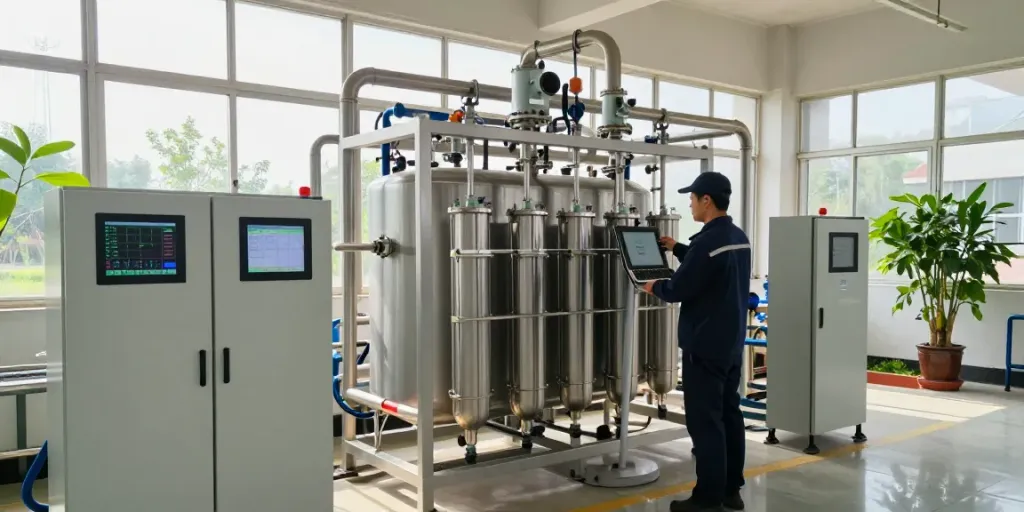
A water treatment system manufacturer designs, engineers, and produces equipment and systems that remove contaminants from water, making it safe for consumption or reuse. These manufacturers are crucial for municipalities needing to provide clean drinking water, industries requiring high-purity water for processes, and even rural areas that need decentralized solutions. They leverage advanced technologies such as filtration, reverse osmosis, and chemical treatment to build robust systems capable of meeting various water quality standards.
Key Technologies Used in Water Treatment
Modern water treatment involves a variety of technologies that are tailored to specific needs. Here are some key technologies:
- Membrane Filtration: This includes technologies like reverse osmosis and ultrafiltration that effectively remove particles, bacteria, and other contaminants.
- Biological Treatment: Utilizing microorganisms to decompose organic matter, this method is common in municipal wastewater treatment facilities.
- Chemical Treatment: The addition of chemicals, such as coagulants and disinfectants, plays a vital role in ensuring the water is safe from pathogens.
- Advanced Oxidation Processes: These technologies use reactive species to effectively reduce organic contaminants that are hard to treat using conventional methods.
The Importance of Sustainability in Water Treatment
With growing environmental concerns, sustainability in water treatment has become paramount. Manufacturers are focusing on creating systems that minimize waste and energy consumption. Sustainable water treatment practices not only lower operational costs but also align with global goals towards reducing carbon footprints. Innovations in this area include energy recovery systems, the use of renewable energy sources, and the implementation of circular water use principles, which aim to recycle and reuse water within various processes.
Challenges Faced by Water Treatment System Manufacturers
While the role of water treatment manufacturers is crucial, they face several challenges that can impact their ability to deliver effective solutions. Understanding these obstacles is essential for improving industry practices and customer satisfaction.
Catering to Diverse Industrial Needs
Different industries have unique water treatment requirements, making it a challenge for manufacturers to create one-size-fits-all solutions. For example, the pharmaceutical industry may require extremely pure water, while agriculture may need effective irrigation solutions. Manufacturers must possess a deep understanding of these varied requirements and adapt their systems accordingly, which can involve significant research and development efforts.
Regulatory Compliance and Standards
Water treatment systems must adhere to stringent local, national, and international regulations. These standards can vary significantly based on geographical location and application, requiring manufacturers to keep abreast of regulatory changes and ensure their systems are compliant. This compliance not only affects design and manufacturing processes but also influences the cost and speed of project delivery.
Overcoming Technological Limitations
As technology evolves, so do the limitations associated with existing water treatment processes. Manufacturers must continually innovate to overcome these challenges, integrating new technologies and methodologies while maintaining reliability and cost-effectiveness. This includes addressing issues such as scaling in membranes, chemical compatibility, and the need for real-time monitoring systems to ensure optimal operation.
Innovative Solutions in Water Treatment Technology
The landscape of water treatment is rapidly evolving thanks to technological advancements. Manufacturers like QILEE are at the forefront of these innovations, developing systems that are not only effective but also adaptable to various scenarios.
Advancements in Containerized Systems
Containerized water treatment systems have gained popularity due to their versatility and rapid deployment capabilities. These systems are designed to be easily transported and installed, making them ideal for temporary or emergency situations. They can serve municipal needs during disasters, provide water solutions in remote areas, and assist industries in quickly addressing wastewater issues. Manufacturers have optimized these systems for performance, ensuring they can operate efficiently in diverse environments.
Smart Water Treatment Technologies
Smart technologies in water treatment involve the use of IoT (Internet of Things) to enhance monitoring and operational efficiency. By integrating sensors and real-time data analytics, manufacturers can offer solutions that detect issues before they escalate, optimize resource usage, and enhance overall system performance. This shift towards smart water management is vital for industries and municipalities aiming to manage their water resources more effectively.
Case Studies of Successful Deployments
Real-world applications provide insight into the effectiveness of innovative water treatment systems. For instance, in a recent deployment in a rural area facing water scarcity, QILEE implemented a containerized water treatment solution that increased access to potable water for over 3,000 residents. Similarly, industrial applications have demonstrated substantial cost savings and efficiency improvements through the integration of advanced filtration systems that meet specific wastewater disposal regulations.
Strategies for Optimizing Water Treatment Solutions
To maximize the effectiveness and efficiency of water treatment systems, manufacturers and operators must adopt best practices throughout the system design and implementation phases. Here are some strategies that can lead to optimized water treatment solutions.
Best Practices for System Design and Implementation
Effective system design starts with a thorough understanding of water quality needs and intended applications. This involves conducting detailed assessments to identify contaminants and establishing compliance standards. Collaboration among engineers, environmental scientists, and end-users ensures the developed solutions meet practical requirements while utilizing the latest technologies in construction and design.
Performance Metrics and Benchmarking
Establishing clear performance metrics is essential for assessing the efficiency of water treatment systems. Key performance indicators (KPIs) could include water quality results, system uptime, energy consumption rates, and operational costs. Regular benchmarking against industry standards helps manufacturers identify improvement opportunities and maintain competitive advantages.
Future-Proofing Your Water Treatment Systems
As water treatment technologies continue to evolve, future-proofing strategies become increasingly important. This might involve investing in flexible system components that can be easily upgraded or modified as newer technologies emerge. Additionally, manufacturers should focus on developing systems that are scalable to accommodate growing demands in urban areas while maintaining environmental compliance.
Looking Ahead: Future Trends in Water Treatment Systems
The future of water treatment systems looks promising, driven by innovation and the pressing need for sustainable solutions. Manufacturers must remain agile to adapt to emerging trends that will shape industry practices in the coming years.
Emerging Technologies for 2026 and Beyond
As we look toward 2026, several emerging technologies are expected to revolutionize the water treatment landscape. These include advancements in nanotechnology for more effective filtration, artificial intelligence for predictive maintenance, and bioengineered solutions that harness natural processes to purify water. Manufacturers that embrace these technologies will likely lead the market.
Market Trends and Consumer Demands
Consumer awareness of water quality has increased significantly, leading to higher demands for transparency and sustainability. Industries are increasingly looking for manufacturers that can provide comprehensive solutions that minimize environmental impact. This shift in consumer behavior is expected to drive innovations that align with eco-friendly practices.
Preparing for Global Water Challenges
As global water challenges become more pronounced due to climate change, population growth, and urbanization, manufacturers must be prepared to address these issues head-on. This preparation involves proactive planning, ongoing research, and collaboration with governmental and non-governmental organizations to develop scalable and effective solutions that meet the growing demands for safe water worldwide.