Understanding Mini Split Air Conditioners
Mini split air conditioners have revolutionized the way we cool and heat our living spaces. These versatile systems offer a sleek and efficient alternative to traditional HVAC units, making them increasingly popular among homeowners looking for comfort and energy efficiency. In this article, we delve into the world of mini split air conditioners, exploring their components, benefits, and the best practices for installation and maintenance. When exploring options, mini split of air conditioner systems can offer a comprehensive solution for your climate control needs.
What is a Mini Split System?
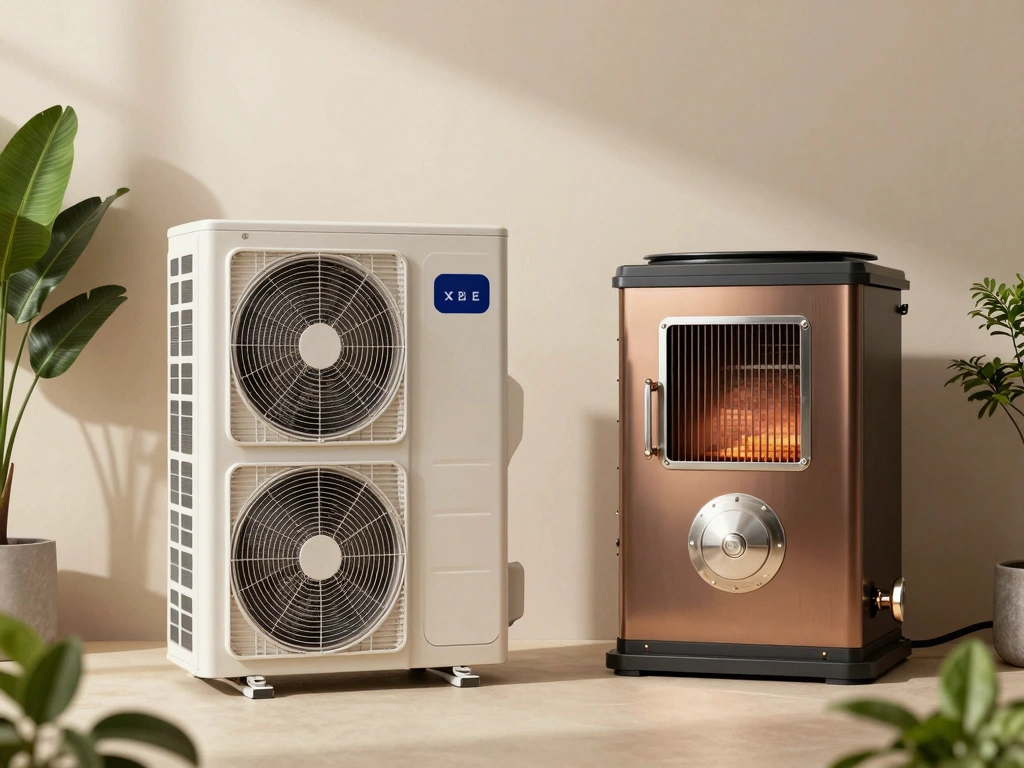
A mini split system, commonly known as a ductless air conditioning system, is a compact HVAC technology that provides both heating and cooling capabilities. Unlike traditional systems that rely on ductwork, mini splits consist of an outdoor condenser and one or more indoor air handling units. These units are connected by refrigerant lines, allowing for flexibility in installation and operation.
Mini splits are particularly advantageous in spaces where ductwork is impractical or too costly to install. They are ideal for homes without existing duct systems, such as older buildings or additions. By allowing for zoned heating and cooling, mini splits give homeowners greater control over their indoor climate.
Components of Mini Split Air Conditioners
Understanding the components of a mini split air conditioner is crucial for maximizing its effectiveness and longevity. Here are the primary elements:
- Outdoor Unit: The outdoor unit houses the compressor and condenser, which work together to exchange heat.
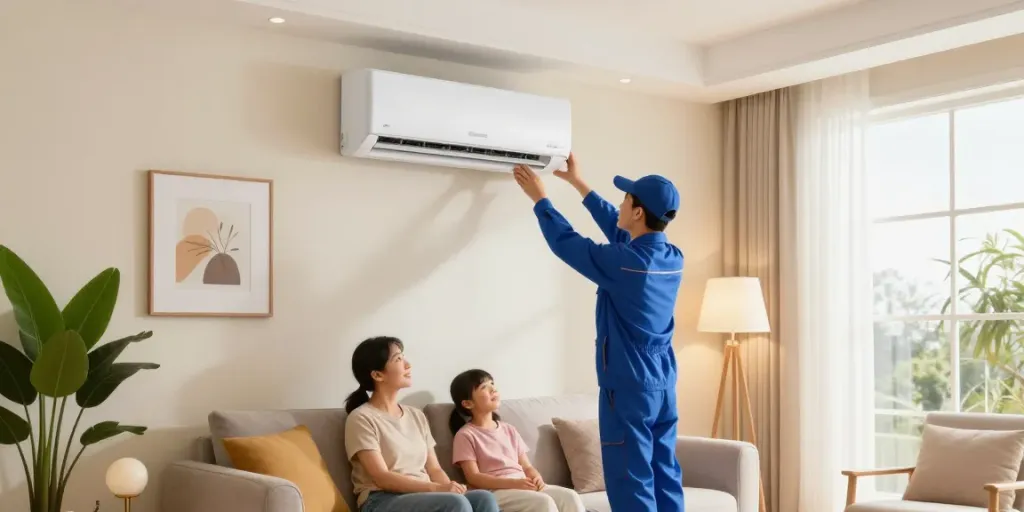
- Indoor Air Handler: The indoor unit distributes conditioned air into the living space. It often features a remote control for convenience.
- Refrigerant Lines: These copper lines connect the outdoor and indoor units, allowing refrigerant to flow between them.
- Drainage Lines: These channels expel condensation produced during the cooling process, ensuring optimal operation.
Benefits Compared to Traditional Systems
Mini split air conditioners offer several advantages over traditional HVAC systems:
- Energy Efficiency: Mini splits are known for their energy efficiency, often achieving efficiencies of up to 30% more than traditional systems. This efficiency translates into lower energy bills.
- Flexible Installation: With no need for ductwork, mini splits can be installed in various configurations, allowing homeowners to customize their heating and cooling solutions.
- Quiet Operation: Mini split systems are much quieter than conventional air conditioners since the noisy compressor is located outside.
- Zoned Temperature Control: Homeowners can control the temperature in individual rooms, enhancing comfort while conserving energy.
Installation Best Practices
Proper installation is vital for the effective operation of mini split air conditioners. Following best practices can ensure optimal performance and efficiency.
Choosing the Right Location for Your Unit
The location of both the indoor and outdoor units is crucial. The outdoor unit should be placed in a well-ventilated area, away from shrubbery and obstructions, to ensure efficient airflow. Indoor units should be mounted high on walls, where air can circulate freely throughout the room. Consideration of the room's layout and furniture is also essential to prevent airflow obstruction.
Common Mistakes to Avoid During Installation
Many homeowners opt for DIY installation to save on costs, but this can lead to several common pitfalls:
- Inadequate Sizing: Choosing the wrong size unit can lead to inefficient heating and cooling.
- Poor Seal Connections: Inadequate sealing of refrigerant lines can lead to leaks and reduced efficiency.
- Incorrect Placement: Placing indoor units in areas with poor airflow can negatively impact performance.
DIY vs. Professional Installation: Pros and Cons
While DIY installation can save you money, hiring a professional comes with its own set of advantages. Professionals ensure proper sizing, placement, and sealing of connections, which can prevent costly issues down the line. DIY installations might result in warranty voids if not done correctly. Weighing the pros and cons based on your skill level and project complexity is essential.
Maintenance and Care Tips
Routine maintenance of your mini split air conditioner is essential for optimal performance and durability. Following best practices can enhance its longevity and efficiency.
Routine Cleaning and Filter Replacement
Regular cleaning of the filters is vital for maintaining efficiency. Dirty filters restrict airflow and can lead to increased energy consumption. Homeowners should check and replace filters every 1-3 months, depending on usage. Additionally, dust and debris should be wiped from the indoor units to maximize airflow.
Signs Your Mini Split Needs Professional Servicing
Being attentive to unusual signs can save you time and money in repairs. If you notice:
- Unusual noises from the system,
- Fluctuating temperatures,
- Increased energy bills without changes in usage,
- Ice buildup on the indoor or outdoor units,
It may be time to consult a professional technician for servicing.
Energy Efficiency Tips for 2026
As energy efficiency standards evolve, homeowners should implement strategies to enhance their systems' performance:
- Utilize Smart Thermostats: Integrating smart technology can optimize heating and cooling schedules based on occupancy.
- Increase Insulation: Proper insulation in walls and attics can reduce the workload on your mini split, enhancing efficiency.
- Sealing Ducts and Windows: Ensure your home is airtight to prevent unwanted heat transfer.
Cost Considerations
Understanding the financial aspects of acquiring a mini split air conditioner is crucial for informed decision-making.
Initial Investment vs. Long-Term Savings
The initial investment for mini split systems can be higher than traditional units; however, the long-term savings on energy bills often offset these costs. Homeowners should consider the energy efficiency ratings when evaluating costs, as higher-rated systems will generally cost less to operate over time.
Understanding Installation Costs
Installation costs can vary based on factors such as unit size, complexity, and labor. On average, homeowners can expect to pay between $2,000 and $4,500 for installation. It’s advisable to obtain multiple quotes to ensure competitive pricing.
Budgeting for Maintenance Over Time
Budgeting for regular maintenance will contribute to the longevity of your mini split system. Annual servicing can range from $100 to $300, depending on the service provider and the complexity of the system. Setting aside a budget for unexpected repairs is also beneficial.
Future Trends in Mini Split Technology
As technology continues to advance, the mini split air conditioning market is poised for innovation. Being aware of emerging trends can help consumers make informed choices.
Smart Technology Integration in Mini Splits
Smart technology is becoming increasingly prevalent in mini split systems. Features such as smartphone control, energy usage tracking, and integration with home automation systems are gaining popularity. Such advancements improve user convenience and energy management.
Emerging Energy Efficiency Standards for 2026
With regulators pushing for stricter energy efficiency standards, manufacturers are investing in more efficient technologies. Homeowners should keep an eye on the Energy STAR ratings and annual operating cost estimates when selecting new systems.
Consumer Preferences and Market Insights
The demand for eco-friendly and energy-efficient solutions is driving innovation in the mini split market. Consumers are favoring systems that offer both cooling and heating capabilities while promoting sustainability. Brands that prioritize eco-conscious designs are likely to lead the market in the coming years.
What are the downsides of a mini-split AC system?
While mini split systems offer numerous benefits, there are also downsides to consider, including the potential for higher initial costs and the aesthetic impact of indoor units mounted on walls. Additionally, proper installation is crucial; poor installation can lead to inefficiency.
Why is my electric bill so high with mini split?
High electric bills may result from factors such as improper sizing, dirty filters, or suboptimal settings on the unit. It is essential to regularly maintain the system and ensure it is appropriately sized for the space it is cooling or heating.
What is the typical cost of installing a mini split system?
The installation cost varies widely based on several factors, including the size of the system and the complexity of the installation. Typical costs range from $2,000 to $4,500.
Are mini-splits good for air conditioning?
Mini-splits are excellent for air conditioning, providing efficient, customizable comfort for individual rooms or entire homes. Their flexibility and energy efficiency make them a strong alternative to traditional HVAC systems.