Understanding Smart Home Technology
As technology continues to evolve, the concept of a smart home becomes increasingly relevant and appealing to homeowners. A smart home harnesses the power of various devices and technologies to enhance daily living. From controlling lighting and security systems to managing climate and entertainment, the features offered by smart homes can significantly improve convenience and efficiency. The idea of transforming your residence into a خانه هوشمند جهان اسمارت is not merely about luxury; it embodies a lifestyle shift towards sustainability and enhanced functionality.
What is a Smart Home?
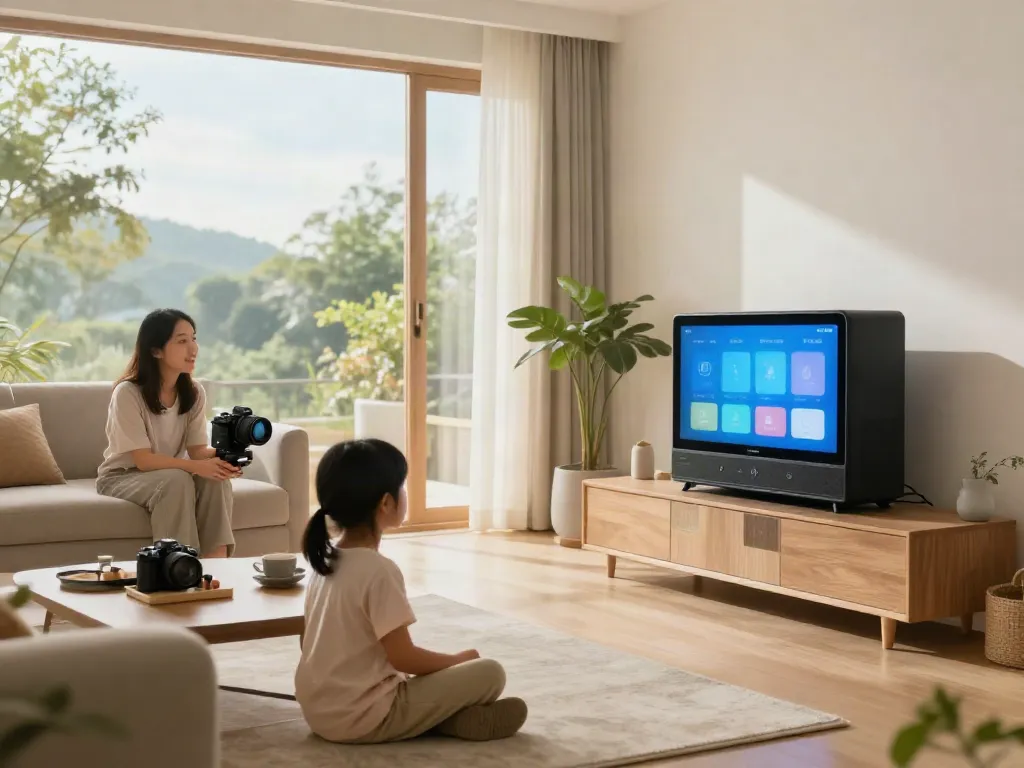
A smart home integrates internet-connected devices that allow homeowners to monitor and control systems and appliances remotely. These systems can range from lighting and thermostat controls to advanced security setups. The primary goal is to create an automated environment that improves comfort, efficiency, and security.
Key Components of Smart Home Systems
- Smart Lighting: Automated lighting systems can be controlled via mobile applications or voice commands.
- Smart Thermostats: These devices learn your preferences and adjust heating and cooling accordingly, leading to energy savings.
- Home Security Systems: Smart locks, cameras, and alarms enhance the safety of your home.
- Smart Appliances: Devices such as refrigerators and ovens can be controlled remotely, adding convenience to everyday tasks.
- Smart Audio Systems: Integrated systems that provide high-quality sound throughout the home.
Benefits of Smart Home Automation
Smart home technology offers various benefits that can enhance quality of life. Key advantages include:
- Increased Convenience: Control various functions of your home from a single mobile application or via voice commands.
- Energy Efficiency: Automated systems can significantly reduce energy consumption by adjusting settings based on your habits.
- Enhanced Security: Real-time monitoring and alerts keep you informed about the safety of your home.
- Customization: Tailor your home environment based on your personal preferences and routine.
- Improved Quality of Life: The cumulative convenience of smart devices contributes to a more enjoyable living experience.
Choosing the Right Smart Devices
When it comes to selecting devices for your smart home, it's essential to recognize which features align best with your lifestyle. Researching the top-performing products can streamline the decision-making process.
Top Smart Audio Systems available
Smart audio systems have gained popularity due to their ability to integrate seamlessly with other smart devices. Brands like Sonos and Bose offer exceptional sound quality, compatibility with various streaming services, and intuitive control options. Choosing the right audio system involves considering factors such as sound quality, connectivity options, and integration capabilities.
Best Smart Locks and Security Features
Smart locks are pivotal in enhancing home security. Options such as the Bosch FU5PLUS and the Sharp H7 Face Recognition Lock provide advanced safety features, including remote locking and unlocking, notifications, and biometric access. When selecting a smart lock, consider installation requirements, battery life, and compatibility with existing security systems.
Integrating Smart Lighting Solutions
Smart lighting solutions, such as those offered by Philips Hue and LIFX, allow users to customize their lighting through apps and voice commands. These systems can be programmed to adjust based on time of day, occupancy, or even mood settings. Integration with other smart devices, such as motion sensors or smart speakers, can create a cohesive smart home experience.
Installation and Setup of Smart Home Systems
Deciding on how to install your smart home devices is crucial. You can either opt for a DIY approach or hire a professional team to ensure everything functions correctly.
DIY vs Professional Installation
While some homeowners prefer the DIY route for its cost-effectiveness, professional installation offers peace of mind with expert help. Many companies, including those specializing in خانه هوشمند جهان اسمارت, provide comprehensive installation services tailored to individual needs.
Step-by-Step Guide to Setup
- Plan Your Layout: Determine which rooms will feature smart devices and how they will interact with one another.
- Choose Compatible Products: Ensure all selected products can seamlessly integrate with your main control system.
- Install Devices: Follow manufacturer instructions for installing devices, paying close attention to any required connections.
- Configure Settings: Use the associated apps to configure settings according to your preferences.
- Test the System: Run through functions to ensure everything operates correctly.
Common Installation Challenges
During installation, homeowners may face challenges such as connectivity issues, compatibility problems, or inadequate Wi-Fi coverage. Taking proactive steps to troubleshoot these challenges can enhance the setup experience.
Maintaining Your Smart Home
Once your smart home is set up, regular maintenance is key to ensuring optimal performance and longevity of your devices.
Regular Maintenance Best Practices
Regular updates, cleaning of devices, and checking battery levels are essential maintenance practices. Establishing a routine can prevent potential issues that may disrupt your smart home environment.
Updating Smart Devices and Software
Keeping your devices and their software up to date is crucial for security reasons. Many manufacturers release regular updates that enhance functionality and patch vulnerabilities.
Security Measures for Smart Homes
Securing your smart home involves implementing strong passwords, enabling two-factor authentication, and regularly reviewing connected devices. These measures significantly reduce the risk of unauthorized access.
Future Trends in Smart Home Automation
The smart home industry is continuously evolving, with several trends expected to shape the future of home automation.
Upcoming Innovations and Technologies
Advancements in artificial intelligence and machine learning will drive smarter devices that learn and adapt to user preferences. Integration of IoT devices will create a more interconnected home environment, where devices communicate seamlessly with one another.
Market Predictions for 2026
Experts predict that by 2026, the smart home market will see exponential growth, driven by increasing consumer awareness and the demand for energy-efficient solutions. The proliferation of smart home devices is expected to become standard in residential settings.
Adapting to New Smart Home Solutions
As new technologies emerge, homeowners must remain adaptable and open to integrating these solutions into their existing homes to enhance comfort and efficiency.
What are the Benefits of Smart Homes?
Smart homes offer significant advantages, including energy savings, increased security, and enhanced convenience. The ability to monitor and control every aspect of home life contributes to a higher quality of life.
How to Choose Smart Home Systems?
When choosing smart home systems, factor in your lifestyle, specific needs, and budget. Researching compatible devices and reading consumer reviews can also guide your decision-making process.
Can Smart Devices Work Offline?
Most smart devices require an internet connection for full functionality; however, some can function offline for basic operations. It’s advisable to check the specifications of each device regarding offline capabilities.
What are the Costs of Smart Home Installation?
The costs associated with smart home installation can vary widely depending on the complexity of the system and the number of devices integrated. Homeowners should budget for both equipment and installation costs.
How to Secure Your Smart Devices?
Implement strong security measures, such as robust passwords and regular updates, to protect your smart devices. Additionally, consider isolating smart devices on their network to enhance security.